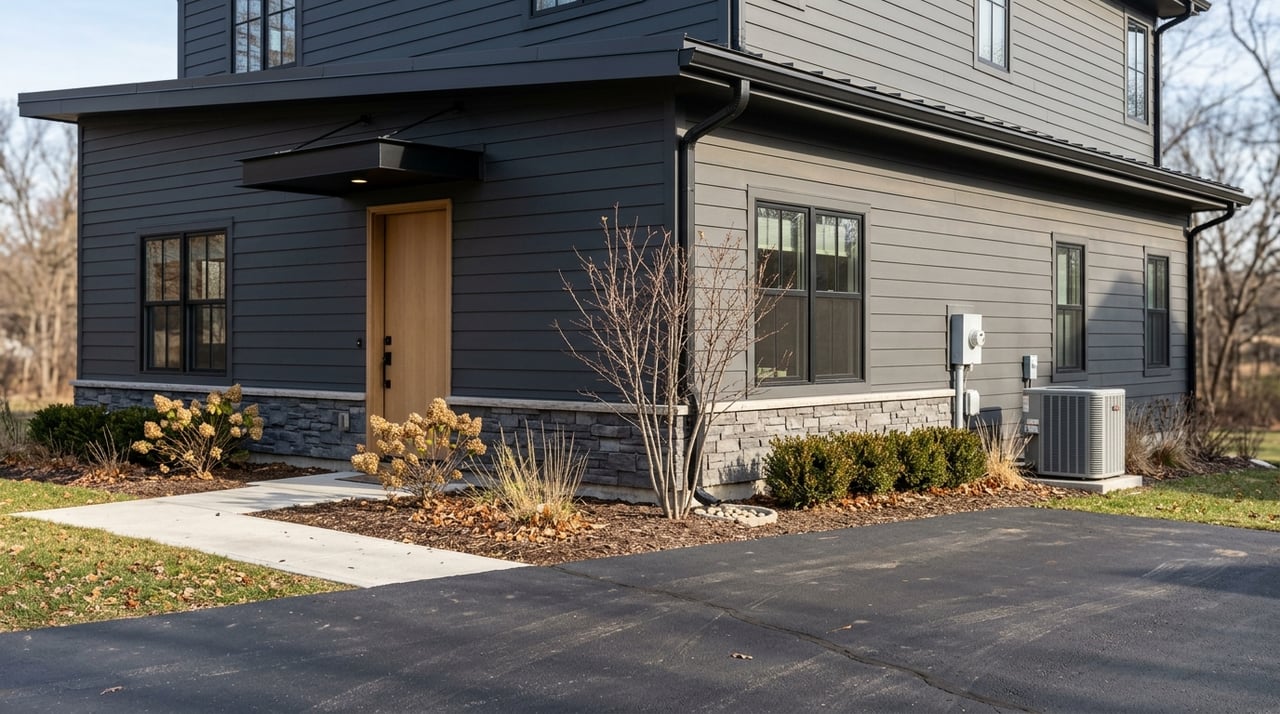
Buying A Year-Round Home At Conesus Lake
April 2, 2026
April 2, 2026
Thinking about making Conesus Lake more than just a summer escape? Buying a year-round home here can be a great lifestyle move, but lakefront and near-lake properties often come with extra questions that do not show up in a typical home search. If you want a place you can enjoy in every season, this guide will help you focus on the practical details that matter most before you buy. Let’s dive in.
Conesus Lake is not just a seasonal destination. According to Livingston County’s overview of Conesus Lake, it is a year-round recreation area and also an important water source for more than 20,000 people.
That matters when you are buying a full-time home. A property that works well for weekends in July may need a very different level of durability, utility service, drainage planning, and winter readiness for daily life in January.
Conesus Lake is about eight miles long, a little over five square miles in area, and relatively shallow, with an average depth of 38 feet and a maximum depth of 66 feet. Livingston County notes that the lake’s shallow depth and water residence time can make water quality more sensitive to changes in nutrient loading.
For you as a buyer, that means site conditions matter. Shoreline drainage, erosion control, stormwater runoff, and septic performance are not just maintenance issues. They are part of owning responsibly around a lake system that responds relatively quickly to environmental changes.
The broader 2026 watershed update says the watershed covers about 70 square miles, includes more than 18 streams, and spans multiple municipalities. Current concerns include harmful algal blooms, nutrient loading, invasive species, stormwater runoff, and flooding or storm-event resiliency.
Because the watershed spans portions of Conesus, Geneseo, Groveland, Livonia, Sparta, and Springwater, plus the Village of Livonia, local oversight can vary depending on exactly where the property sits. That is one reason year-round buyers should verify permits, utility service, and site requirements for the specific parcel instead of relying on general lake advice.
If you are comparing two homes on different parts of the lake, they may not have identical review processes for future work. A planned addition, driveway update, shoreline improvement, or drainage change could involve different local steps depending on the property location.
One of the most important questions is simple: is the home actually set up and approved for full-time use?
New York’s Uniform Fire Prevention and Building Code applies statewide outside New York City, and local governments enforce it. Building permits are required for work that falls under the code, and a certificate of occupancy or compliance is required when permitted work is completed and when a building’s general occupancy classification changes.
For Conesus properties, the Town of Conesus Code Enforcement Department handles building permits, demolition permits, certificates of occupancy or use, compliance certificates, construction inspections, floodplain development, erosion control, driveway permits, and zoning or building permits.
If you are looking at an older cottage, do not stop at “it has been used in winter before.” You should verify:
Utility questions can make or break a year-round purchase. The Livingston County Water and Sewer Authority serves water and sewer only in portions of several towns, including portions of Conesus.
In practical terms, that means you should confirm the exact service status of the parcel. A home near the lake is not automatically connected just because a nearby property is.
If work is needed, LCWSA permits are required before water or sewer work begins, and permits are valid for one year. The process requires an application plus a site or utility plan or sketch, so this is something to clarify early if you expect to upgrade or modify service after closing.
If the home is not connected to public sewer, septic due diligence becomes a top priority. For a new home, Livingston County’s septic permit process involves a New York licensed engineer, soil and percolation testing, a system design, and county review.
For an existing home, you want to understand not only the age and condition of the system, but also whether it appears appropriate for year-round occupancy. A system that handled occasional summer use may deserve closer review if you plan to live there full time.
This is especially important because the watershed management plan highlights phosphorus and dissolved oxygen impairments, stormwater runoff, and erosion-related remediation as ongoing priorities. In a lake environment like Conesus, septic function and runoff control have a direct connection to long-term property stewardship.
Some owners in the watershed may also qualify for septic improvement assistance. Livingston County says eligible properties with septic systems within 250 feet of a designated stream or tributary may be able to receive reimbursement for half the cost of improvements, up to $10,000.
A standard inspection is important, but a year-round Conesus Lake home deserves an even more targeted review. The Consumer Financial Protection Bureau recommends hiring an independent home inspector early enough to address serious defects before closing.
For a property that must perform through snow, freezing temperatures, and wet weather, pay close attention to:
The U.S. Department of Energy also emphasizes weatherization and insulating pipes in cold spaces, since freezing can burst pipes. For lake-area cottages, this is a practical way to spot whether the home was truly built or upgraded for winter use.
Waterfront homes offer a lot to love, but they also ask more from the site. Livingston County notes that some shoreline areas include steep drops and coved sections formed by sediment deltas, which can make drainage and erosion control especially relevant.
That means you should study how water moves across the property. Look for signs of runoff near the foundation, washed-out slopes, retaining issues, shoreline wear, or soggy areas that could worsen during heavy weather.
If you are planning changes to the lot, the local review process may involve stormwater, utilities, and site impacts. The Town of Conesus Planning Board reviews site plans and subdivisions for effects on surrounding properties, stormwater management, utility infrastructure, and traffic management.
Summer access and winter access are not always the same thing. The Town of Conesus Highway Department maintains town highways and also handles county and state roads under winter snow-removal agreements, and it specifically lists driveway permits for driveways on town roads.
Before you buy, ask practical questions such as:
There can also be very local seasonal rules. For example, the town’s East Lake Road seasonal storage law restricts storage within 16 feet of the road centerline from November 1 through March 31.
If you are serious about buying a year-round home at Conesus Lake, keep this checklist handy:
Buying at Conesus Lake often means balancing lifestyle goals with property-specific due diligence. You are not just buying square footage. You are buying access, infrastructure, site conditions, and long-term usability in a lake environment.
That is where having a local, hands-on real estate guide can save you time and stress. If you are exploring year-round homes at Conesus Lake and want practical help sorting through the details, connect with James "Bobby" Blaine for straightforward guidance tailored to your goals.
Stay up to date on the latest real estate trends.


Get assistance in determining current property value, crafting a competitive offer, writing and negotiating a contract, and much more. Contact me today.