Should you stage your Canandaigua home while you still live there, or move out and list it vacant? It is a big decision that influences how buyers feel, how fast you sell, and what you net at closing. You want a clear plan that aligns with your timeline, budget, and target buyer. In this guide, you will compare costs, timelines, and buyer reactions so you can choose with confidence. Let’s dive in.
Stage vs. vacate: what changes
When you stage while occupied, you stay in the house. A stager helps you declutter, rearrange, and may bring in rental furniture for key rooms. You get a fresher look without a full move.
When you vacate, the home is empty for photos and showings. Most sellers then opt for rented furnishings to define spaces and scale. The transformation can be dramatic, but it adds moving and storage logistics.
Virtual staging adds furniture only to photos. It is fast and affordable, but the in-person feel is still the real test, so disclosures are important.
What buyers see in Canandaigua
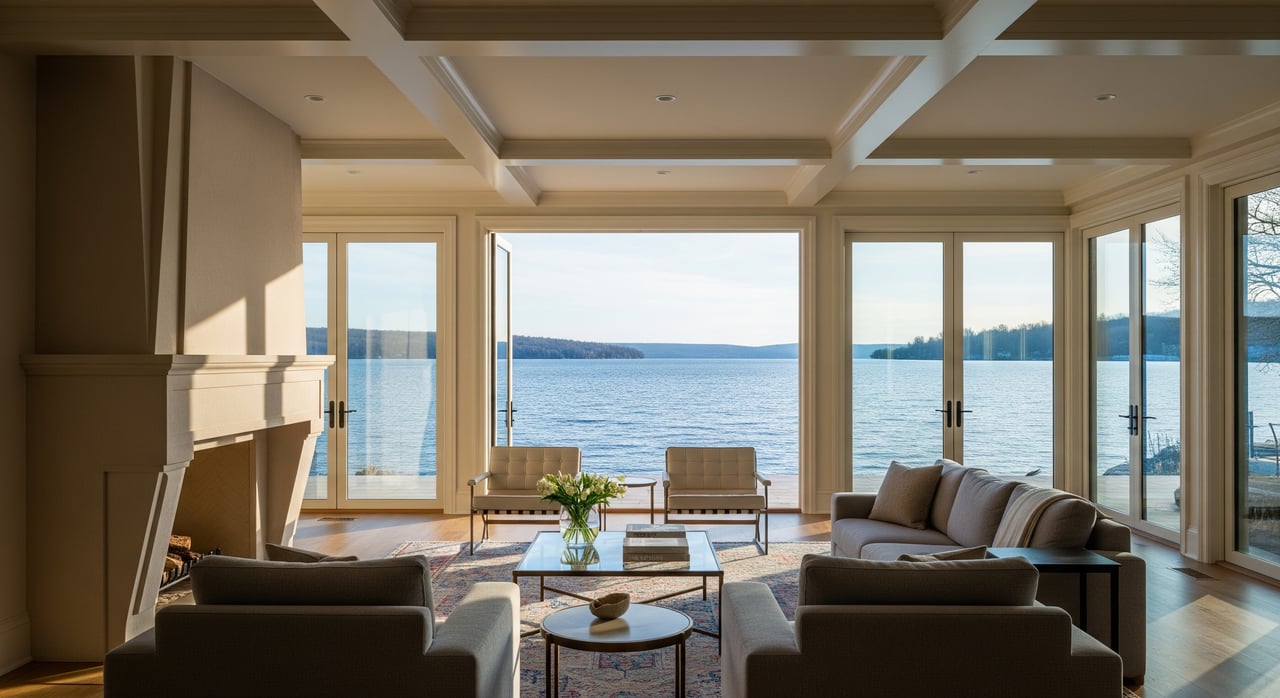
In Ontario County, buyers often compare a small set of similar homes at once. That means presentation stands out. Staging helps buyers visualize how rooms live, understand traffic flow, and sense scale.
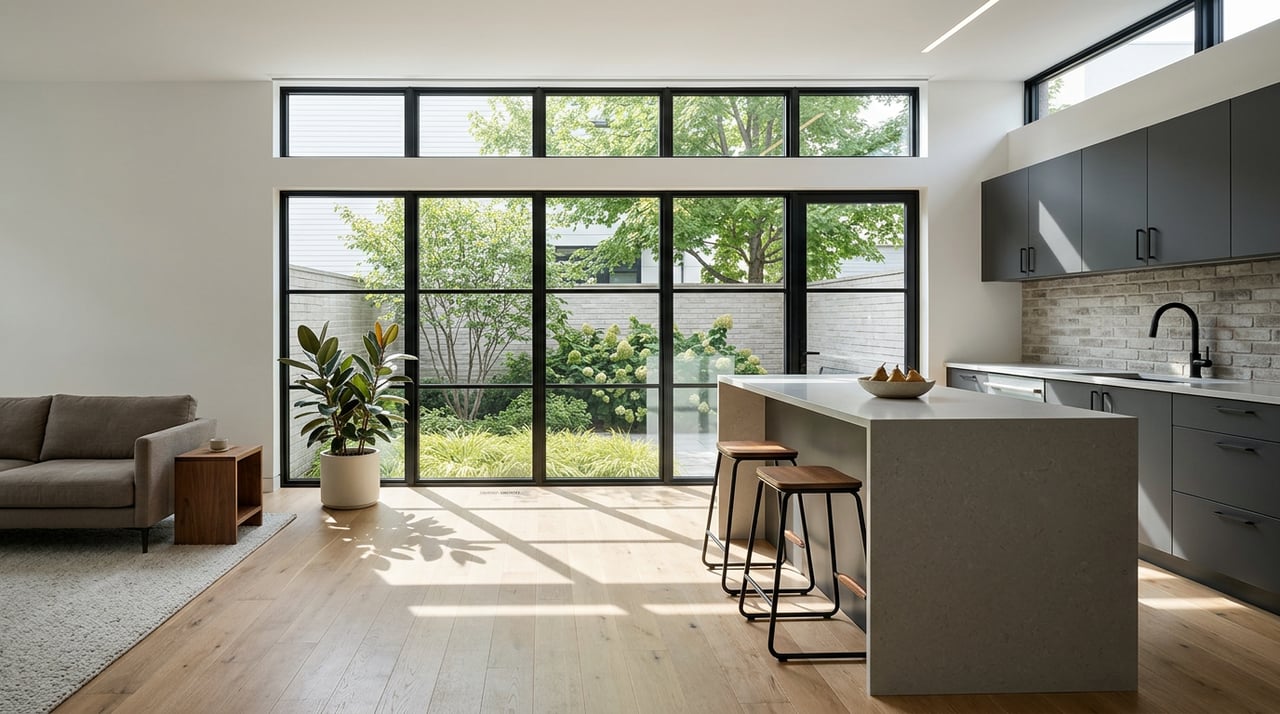
Vacant homes can look colder or smaller because there is no furniture to show proportion. Small flaws or awkward dimensions can feel more obvious. Occupied homes with heavy decor or collections can distract buyers, which is why a focused edit and neutral styling pays off.
If you are targeting move-up buyers, staged principal rooms matter. The living room, kitchen and dining area, and primary bedroom usually carry the most weight. In the Finger Lakes, spring and early summer often draw the most traffic, so a strong first impression during those months can be especially powerful.
Costs and ROI basics
Every home is different, but here are common ranges used by staging pros and regional markets like greater Rochester. Use local quotes to firm up your budget.
- Staging consult or styling visit: often $150 to $500. Great for occupied listings where you will implement the plan.
- Occupied partial staging with rentals: initial setup can run from the low hundreds to a few thousand dollars, with monthly rental often $100 to $400 for a limited number of rooms.
- Vacant full-house staging: initial install commonly $1,500 to $5,000 depending on size and scope, with monthly rental often $200 to $700 or more based on room count and inventory quality.
- Virtual staging: typically $30 to $150 per edited photo.
- Moving and storage if you vacate: from a few hundred to several thousand dollars, depending on volume and length of storage.
A practical rule of thumb is to compare staging cost as a percent of your expected sale price. Occupied consults or partial staging often total well under 1 percent of the sale price, while full vacant staging can be more. Reported price uplifts from staging vary by study and market, from minor increases to several percent. The most reliable way to estimate your return is to study current Canandaigua comps in your price band and see how well-presented homes are performing.
Timeline to list in Ontario County
Speed matters if you are aiming for a seasonal window. Here is how timelines typically stack up.
- Occupied staging: 1 to 14 days to declutter and handle repairs. Partial installs often run 24 to 72 hours. Photos usually follow within 1 to 3 days.
- Vacant staging: allow days to weeks to pack and move out, plus 1 to 2 days to move into storage. Staging install takes 1 to 3 days, with photos 1 to 3 days after that.
- Virtual staging: fastest for photos. Once you shoot, edited images often arrive within 24 to 72 hours.
If you need to go live quickly, a consult plus a focused edit and strong photography can get you on market fast. Virtual staging can supplement that if you are still living in the home.
Pros and cons at a glance
A simple decision framework
Use these variables to pick your path:
- Market competition: Are you up against well-staged comparables? If yes, raise your presentation level.
- Target buyer and price band: Move-up and upper-tier buyers often expect a polished look, especially in principal rooms.
- Time pressure: If speed is critical, do a consult, quick edits, and top-tier photography. Consider virtual staging for listing photos.
- Condition and layout: Dated finishes, tricky room shapes, or unclear use of space lean toward stronger staging.
- Budget and convenience: If full vacate is not practical, a hybrid approach can deliver most of the benefit.
Rule of thumb: if the staging investment is a small slice of your expected sale price, and local comps show staged homes moving faster or stronger, the investment is often justified.
Hybrid strategies that work
You do not need to choose all or nothing. These options capture value without overextending budget or timeline:
- Partial occupied staging: Rent furniture and accessories only for the living room, kitchen/dining, and primary bedroom. Edit and style the rest.
- Strategic vacate: Empty and stage only key rooms while storing or repurposing items in secondary spaces.
- Virtual staging for secondary rooms: Use physical staging in the most important spaces and virtual staging for offices or guest rooms. Be sure photos are labeled as virtually staged.
Vendor coordination in Canandaigua
Ontario County has access to Rochester-metro vendors who service the area. Organizing the right help can save you time and stress.
Key vendor types to consider:
- Home stager: consult-only, partial, or full vacant staging. Ask about timelines, inventory quality, insurance, and monthly terms.
- Real estate photographer and virtual tour: HDR photos, twilight exteriors, drone if your lot or lake proximity warrants it, and virtual staging if needed.
- Professional organizer or estate service: for decluttering and packing.
- Movers and storage: price short-term storage and climate-controlled options for valuables.
- Cleaners, handyman, painter, landscaper: for deep clean, touch-ups, and curb appeal.
- Security and insurance: if your home will be vacant, ask your insurer about coverage requirements.
Questions to ask vendors:
- What is your install and deinstall availability?
- Can you provide itemized pricing and minimum terms?
- What insurance coverage do you carry, and how is damage handled?
- Do you have examples of similar Ontario County homes?
- What is the cancellation policy?
Sample timeline for a full vacant stage
- Day -21 to -14: Gather quotes from stager, mover, and storage. Choose vendors.
- Day -14 to -7: Pack household and schedule moving and cleaning.
- Day -7 to -3: Move items to storage and complete a deep clean.
- Day -3 to -1: Stager installs furniture and accessories.
- Day 0: Photography and listing goes live.
- After offer acceptance: Schedule deinstall around inspections and closing. If you plan to move items back in before closing, coordinate carefully.
Seasonal timing tips
Spring and early summer often bring more buyers to Canandaigua. If you want to catch that wave, prioritize speed to market without sacrificing your core rooms. A consult plus partial staging can be a smart balance. If you are listing in quieter months, stronger staging can help you stand out among fewer active shoppers.
Risks and practical protections
Vacant properties can trigger different policy terms. Ask your insurer about any time limits or coverage changes if the home sits empty. For staging and moving, make sure contracts spell out damage responsibility, delivery and pickup fees, and monthly rental terms. For security, keep entry codes updated and use approved lockboxes during showings.
Your action plan
- Start with a staging consult to scope priorities and costs.
- Decide whether occupied partial staging covers your key rooms, or whether vacating delivers a better return.
- Schedule photography only after staging or edits are complete.
- If you must go live quickly, pair a consult with a focused edit and consider virtual staging for photos.
- Monitor feedback the first 10 to 14 days. If buyers say it is hard to visualize, pivot to stronger physical staging.
A thoughtful plan matched to Canandaigua’s buyer pool and seasonality can give you a measurable edge. If you want help coordinating quotes, timing, and presentation, connect with a local team that manages these details day in and day out.
Ready to talk through your specific home, price band, and timeline? Reach out to James "Bobby" Blaine and the JRB Home Team. We will help you compare options, coordinate vendors, and launch a listing that shows its best.
James "Bobby" Blaine
FAQs
What is the cheapest way to improve listing photos in Canandaigua?
- Book a staging consult, declutter key areas, and use professional photography. Add virtual staging for select rooms with clear disclosure.
How long does occupied staging usually take before listing?
- Plan 1 to 14 days for decluttering and repairs, with a 24 to 72 hour window for any partial install, then photos within a few days.
Is full vacant staging worth it for mid-range homes?
- Often yes if comps in your price band show well-staged competition and your cost is a small percent of expected sale price. Start with local quotes to verify.
Which rooms should I stage first to attract move-up buyers?
- Prioritize the living room, kitchen and dining area, and primary bedroom. These spaces influence buyer perception the most.
Will virtual staging mislead buyers?
- Not if labeled properly. Use it to enhance online interest, then make sure the in-person presentation is clean, decluttered, and well lit.
What should I ask a stager before hiring them?
- Ask about timelines, itemized pricing, inventory quality, insurance coverage, local examples, and cancellation or minimum-term policies.