Buying your first home in Rochester can feel exciting and overwhelming at the same time. You want a solid house, a manageable payment, and a clear plan for what to fix now versus later. In this guide you’ll get current local pricing, what “starter homes” look like in the city and suburbs, typical condition items to budget for, and step-by-step strategies to compete with confidence. Let’s dive in.
What counts as a starter home in Rochester
Rochester’s starter-home market splits into two realities: the city and the broader Monroe County suburbs. In the city of Rochester, the median sale price sat around $165,000 in January 2026, with short days on market and many homes selling at or above list, according to Redfin’s city snapshot. You can see current city metrics, including sale-to-list ratios and median DOM, on the Redfin Rochester market page.
Across Monroe County, suburban prices run higher. The Greater Rochester Association of Realtors’ Q3 2025 report shows a county median sales price near $282,750, and multiple 2025 snapshots pointed to tight inventory in many segments. Review county-wide trends in GRAR’s quarterly reporting here.
What this means for you: in many city neighborhoods, “starter” budgets often sit in the low $100Ks to the high $100Ks or low $200Ks depending on location and condition. In the suburbs, many buyers target the mid-$200Ks and up. Set your expectations by the neighborhood you’re shopping in, not just the county average.
Where you’ll find them and what they look like
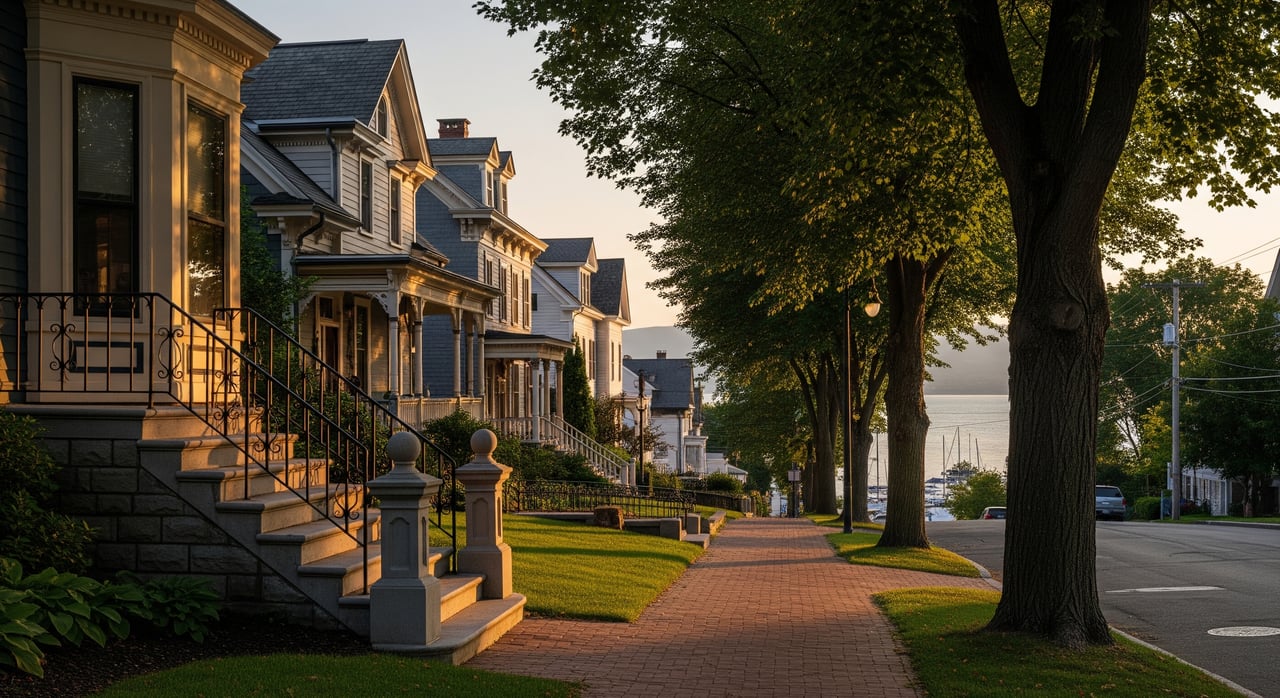
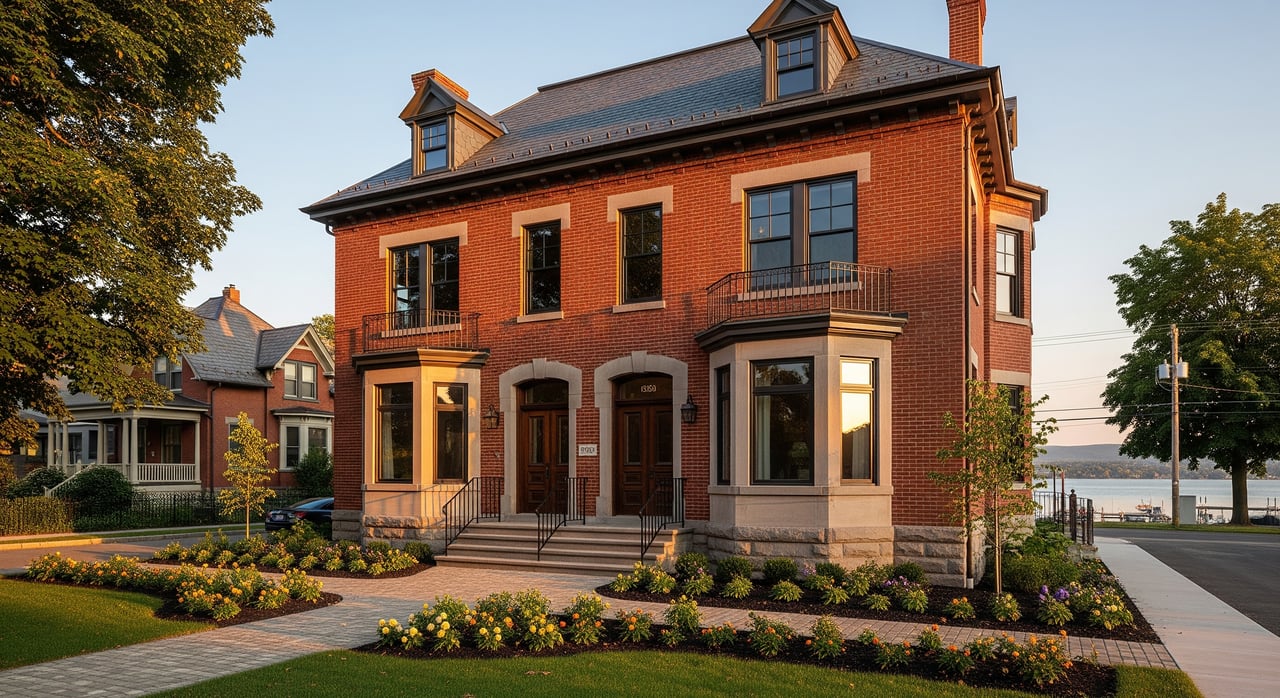
City neighborhoods such as South Wedge, North Winton Village, and parts of Maplewood offer many older single-family houses, bungalows, and small duplexes. Square footage often ranges from about 1,200 to 1,800 for typical starter options, with character details and front-porch streetscapes.
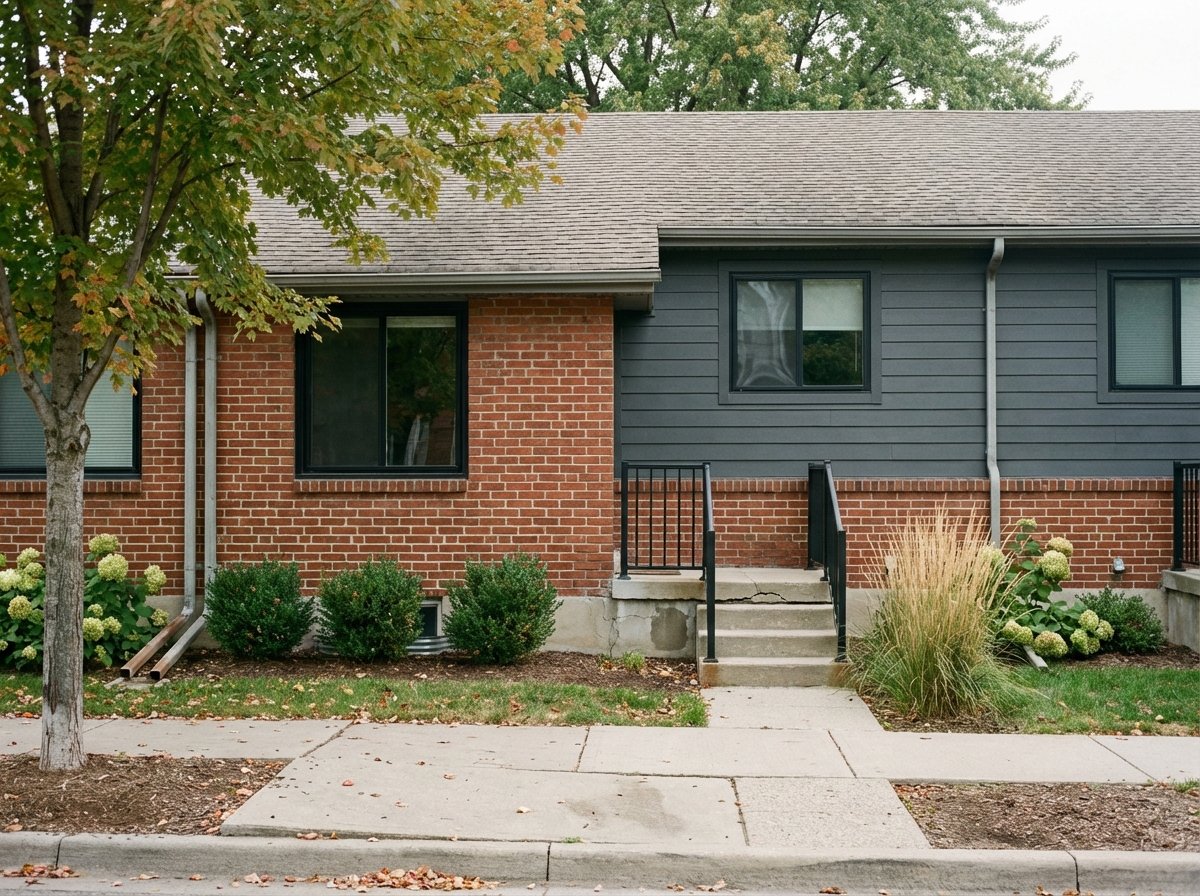
Near suburbs like Greece, Irondequoit, Webster, Henrietta, and Brighton tend to feature post‑war ranches, split‑levels, and smaller colonials. These homes may offer more yard space and, in some cases, newer mechanical systems than early 20th‑century city stock.
Age matters in Rochester. Much of the city’s entry-level inventory dates to the early-to-mid 1900s, while many suburban options were built in the post‑war era. Older stock can bring charm and solid structure, but it also raises the odds of deferred maintenance that you’ll want to assess during inspection.
Condition and inspection: what to expect
Older Rochester homes are very buyable if you plan ahead. Common inspection findings include:
- Electrical: Pre‑1950s houses may have knob‑and‑tube or cloth‑insulated wiring and smaller fuse panels. A full rewire can run roughly $7,000 to $25,000 depending on size and access, per national ranges from HomeGuide.
- Roof and envelope: Aging shingles, flashing, and gutters are frequent. Roof replacement costs vary widely based on size and material, but often land in the several‑thousand to mid–five‑figure range, per Best Roofing Estimates.
- Heating and hot water: Older furnaces or boilers are common. Budget for tune‑ups and eventual replacement. Energy‑efficiency and insulation upgrades can pay back over time.
- Plumbing: Galvanized supply lines or older cast‑iron drains may appear in pre‑1970s homes. Re-pipe or drain-line work depends on scope.
- Lead-based paint: Homes built before 1978 may have lead paint. Review safe practices and testing guidance from the EPA and plan renovations accordingly.
A practical rule for older starter homes is to reserve a renovation contingency of about 10 to 20 percent of the purchase price for initial updates and repairs. Major system work like a rewire, roof, or HVAC replacement sits on top of that. After inspections, get local contractor quotes so you can decide what to tackle now versus later.
How to read the market in real time
- Days on market: Short DOM means you’ll need to tour quickly and be offer‑ready. Redfin’s city view recently showed DOM in the low‑teens for Rochester, though this varies by neighborhood and season. Check the latest figures on Redfin.
- Sale-to-list ratio: A ratio above 100 percent signals bidding pressure for well‑priced homes. City data has frequently been over that mark in recent months.
- Months of supply: In 2025, many local snapshots showed sub‑2 months of inventory in popular segments, a classic seller‑leaning market. See GRAR’s county context in the Q3 2025 report.
- Price drops: A rising share of reductions can hint at softening or initial overpricing. You can track weekly and monthly patterns through GRAR’s ODBR statistics.
The key is to zoom into the neighborhood and price band you care about. Entry‑level homes in some areas move faster than county averages. Others with slightly longer DOM can leave room to negotiate repairs or credits.
What it might cost each month
Below are illustrative examples to help you translate list price into a monthly payment. Your actual numbers will depend on your lender, rate, taxes, insurance, and PMI.
Assumptions used here:
- 30‑year fixed mortgage rate: about 6.09 percent based on a recent weekly average from Freddie Mac’s PMMS as of mid‑February 2026.
- Property taxes: an illustrative county‑level effective rate of about 2.36 percent for Monroe County. Always confirm the parcel’s actual municipal rate. Source: The Motley Fool tax research summaries (property tax rates by state).
- Homeowners insurance in New York: roughly $1,800 to $1,900 per year on average, per Bankrate.
- PMI: if you put less than 20 percent down, conventional PMI can vary widely. We used a mid‑case estimate of about 0.8 percent annually of the loan amount.
Example A: City starter at $165,000 (Jan 2026 city median sale price)
Example B: Suburban starter at $225,000
These are planning numbers. Use them to compare neighborhoods and down‑payment paths, then get a live Loan Estimate from your lender.
Strategies to win a good starter home
- Get fully pre‑approved, not just pre‑qualified. In quick‑moving price bands, a complete file helps your offer stand out.
- Tour fast, but with a plan. Schedule showings quickly and bring a repair checklist so you can move decisively without skipping diligence.
- Target homes with light cosmetic needs. Houses that need paint, flooring, or a dated kitchen often see less competition than fully updated listings. Just confirm major systems during inspection.
- Use a repair-and-credit strategy. If inspections reveal issues, you can negotiate seller credits or repairs. Prioritize health and safety items first.
- Compare down‑payment scenarios. Weigh monthly PMI today versus saving longer for 20 percent down. Property taxes in Monroe County are a meaningful line item, so run the numbers both ways.
- Consider alternatives. Small duplexes or condos can lower the entry price or offset costs through rental income. Review zoning, insurance, and mortgage rules with your lender first.
- Lean on local vendor referrals. For older homes, lining up electricians, roofers, and HVAC pros early keeps your timeline on track.
Neighborhood watchlist for first‑timers
- South Wedge and North Winton Village (city): Walkable blocks with older single‑family homes, bungalows, and small multi‑units. Expect character details and a mix of updated and to‑be‑updated properties.
- Irondequoit (near suburb): Post‑war ranches and splits are common, with leafy streets and a range of lot sizes. A popular choice for buyers wanting a bit more space without moving far from the city.
- Greece and Webster (suburbs): Subdivision colonials, ranches, and splits offer variety for buyers who prioritize driveway parking, garages, and newer mechanicals relative to early 1900s homes.
Your best fit comes from balancing budget, commute, renovation appetite, and the local market tempo on the blocks you like most.
Your next steps
- Define your monthly comfort range and preferred neighborhoods.
- Get a clean pre‑approval and be ready to tour quickly.
- Build a short list of must‑have features and a realistic repair budget.
- Set up alerts so you see new listings the day they hit the market.
If you want a clear path from search to keys, let’s talk through your plan and timelines. Reach out to James "Bobby" Blaine for local guidance, on‑market and private‑listing access, and a hands‑on process tailored to your goals.
FAQs
What is a typical starter-home price in Rochester in 2026?
- City medians were about $165,000 in January 2026, while county medians run higher; always check neighborhood-level data and recent comps.
How competitive are Rochester starter homes right now?
- City listings have shown low days on market and sale-to-list ratios over 100 percent recently, so well‑priced homes can draw multiple offers.
How much should I budget for repairs on an older home?
- A 10–20 percent contingency of the purchase price is a practical starting point, with separate budgets for big items like electrical, roof, or HVAC.
How do Monroe County property taxes affect my monthly payment?
- Taxes are a significant line item; using an illustrative 2.36 percent effective rate, a $225,000 home can carry about $442 per month in taxes alone.
What changes if I put less than 20 percent down?
- You’ll likely have PMI until you reach enough equity, which raises the monthly payment; weigh PMI today against waiting to save more down.
Should I avoid pre‑1978 homes because of lead paint?
- Not necessarily; plan for testing and lead‑safe work practices using EPA guidance, and factor any remediation into your offer and renovation plan.