Is your first home calling you to Geneva, but you are not sure which neighborhood fits your life and budget? You are not alone. With options that range from historic in-town streets to lake-adjacent pockets and rural acreage, the tradeoffs can feel overwhelming. In this guide, you will see how each area around Seneca Lake stacks up on affordability, convenience, maintenance, and long-term costs so you can buy with confidence. Let’s dive in.
Start with your priorities
Before you compare streets and house styles, clarify what matters most to you day to day.
- Affordability and tax burden
- Commute time and seasonal traffic
- Proximity to groceries, healthcare, schools, and dining
- Walkability and neighborhood character
- Maintenance level and utility type
- Exposure to flood or shoreline issues
- Financing path and first-time buyer assistance
You will use these criteria to weigh the four common Geneva-area neighborhood types below.
Geneva neighborhood types explained
Downtown and in-town
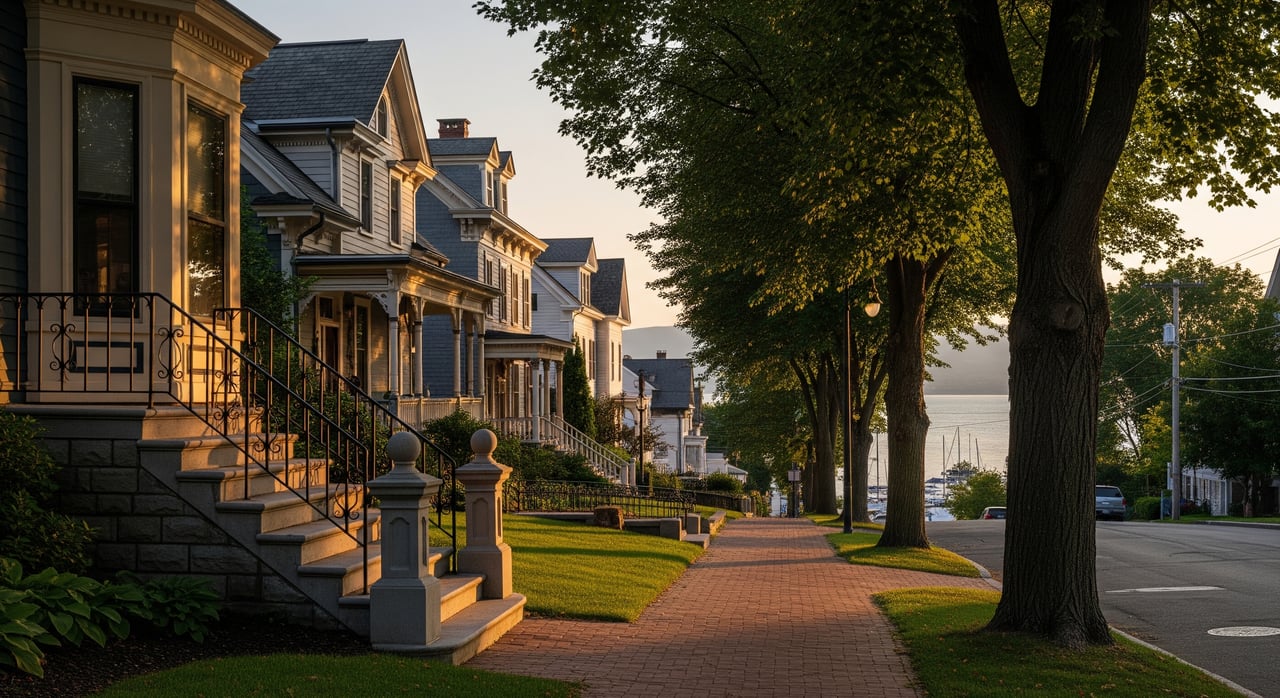
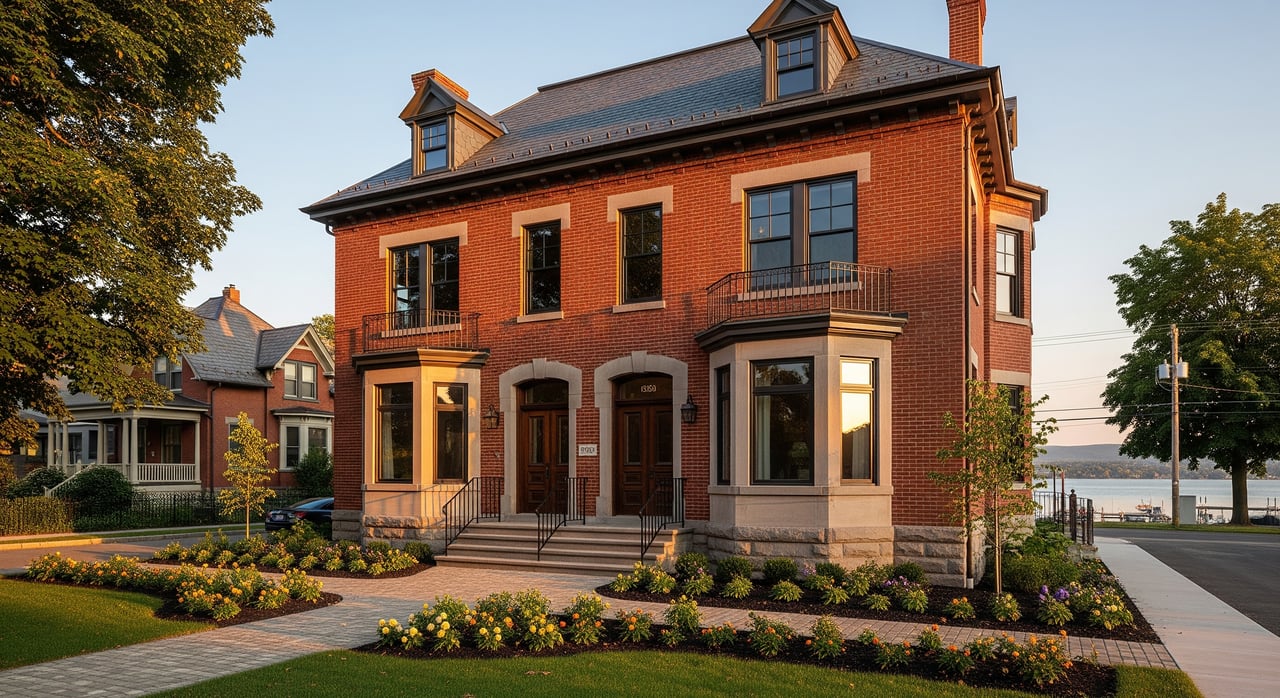
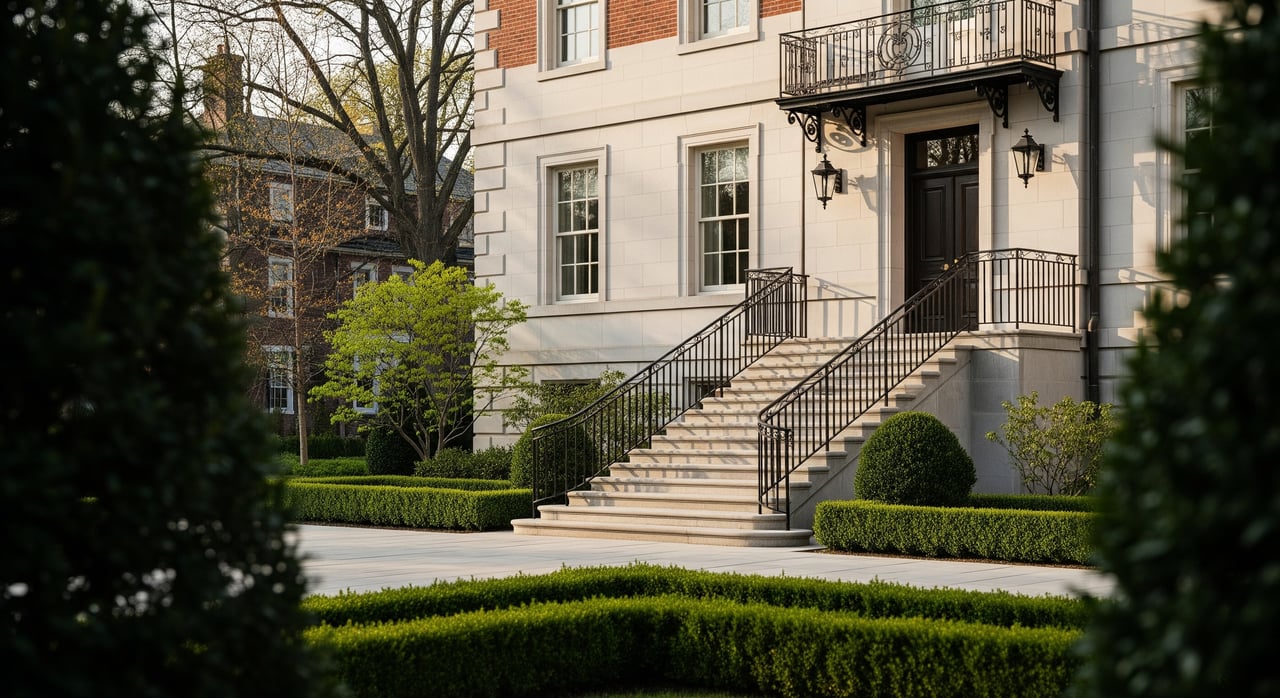
Older, historic homes line walkable streets near shops, dining, and college campuses. You will find smaller lots, a classic grid of sidewalks, and a strong sense of place.
- What you will like:
- Walk to restaurants, services, and events
- Mature trees and historic architecture
- Shorter drives within the city
- What to watch:
- Older systems may need updates, including electrical and plumbing
- On-street parking and smaller yards
- City tax rates apply; confirm current bills
- Best fit if you value walkability, character, and convenience over lot size.
Near-downtown neighborhoods
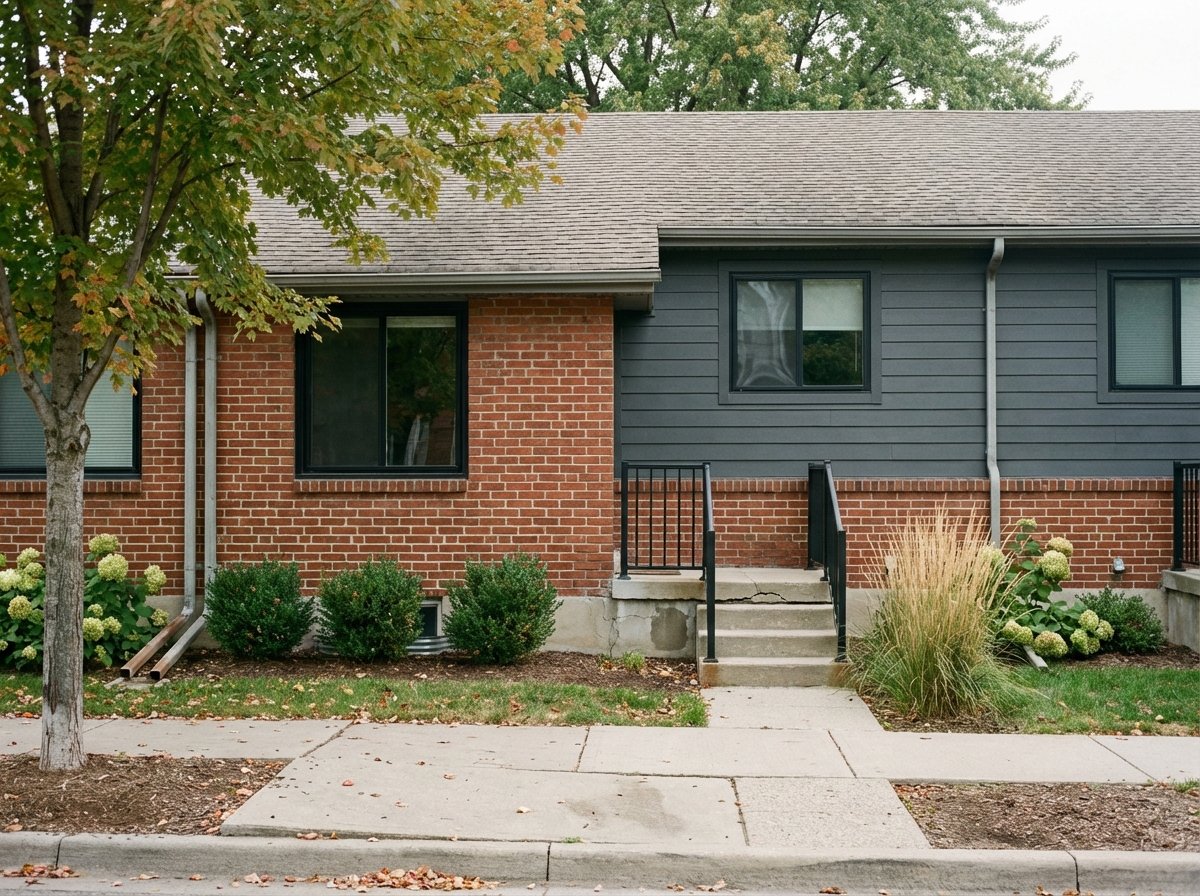
A mix of mid-century homes and modest newer builds sits just outside the core. Lots are a bit larger, and you are still close to essentials.
- What you will like:
- Balance of space and access to services
- Easier parking and storage
- Potential middle ground on price
- What to watch:
- Utility setup varies by street; confirm municipal connections
- Walkability is good for some errands, but most trips still need a car
- Best fit if you want a practical tradeoff between yard space and quick drives.
Lake-adjacent and shoreline pockets
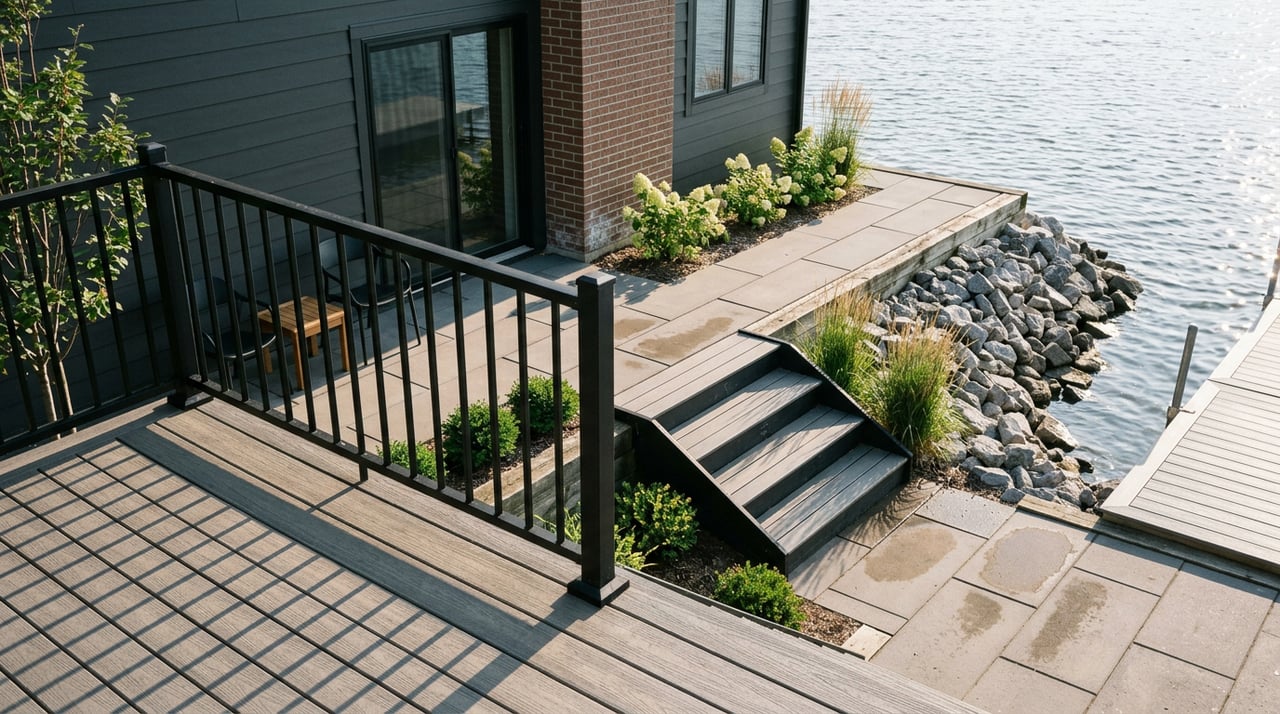
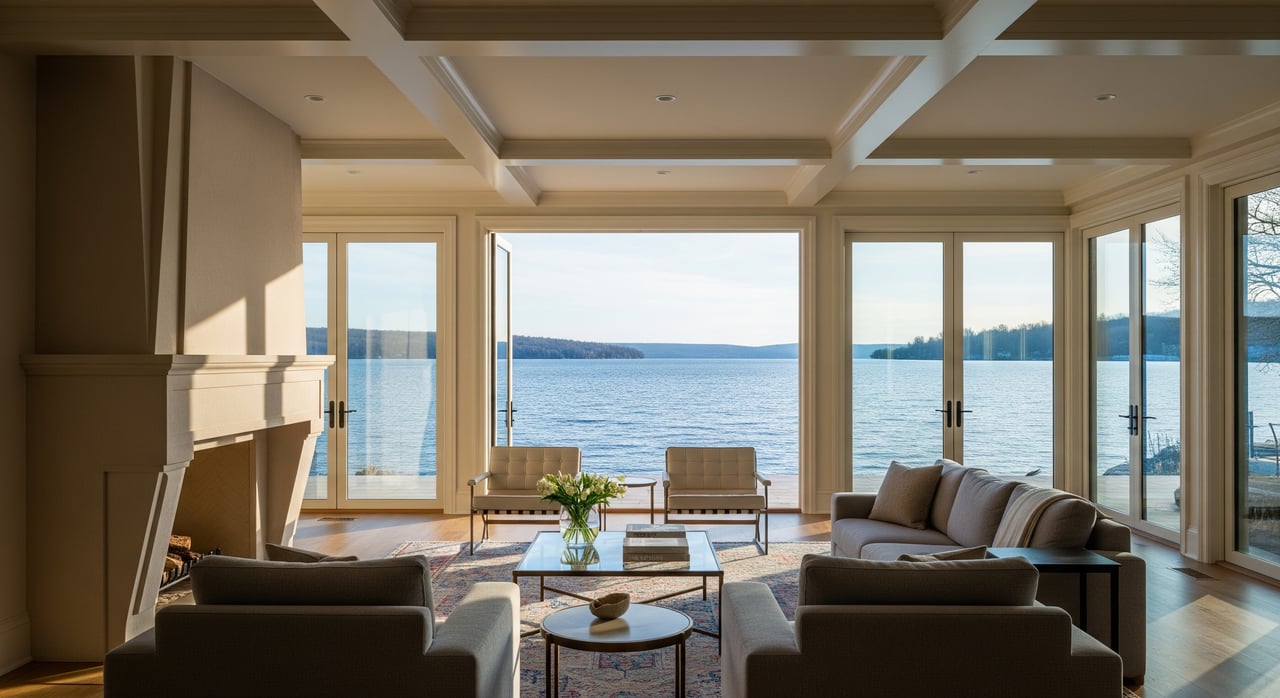
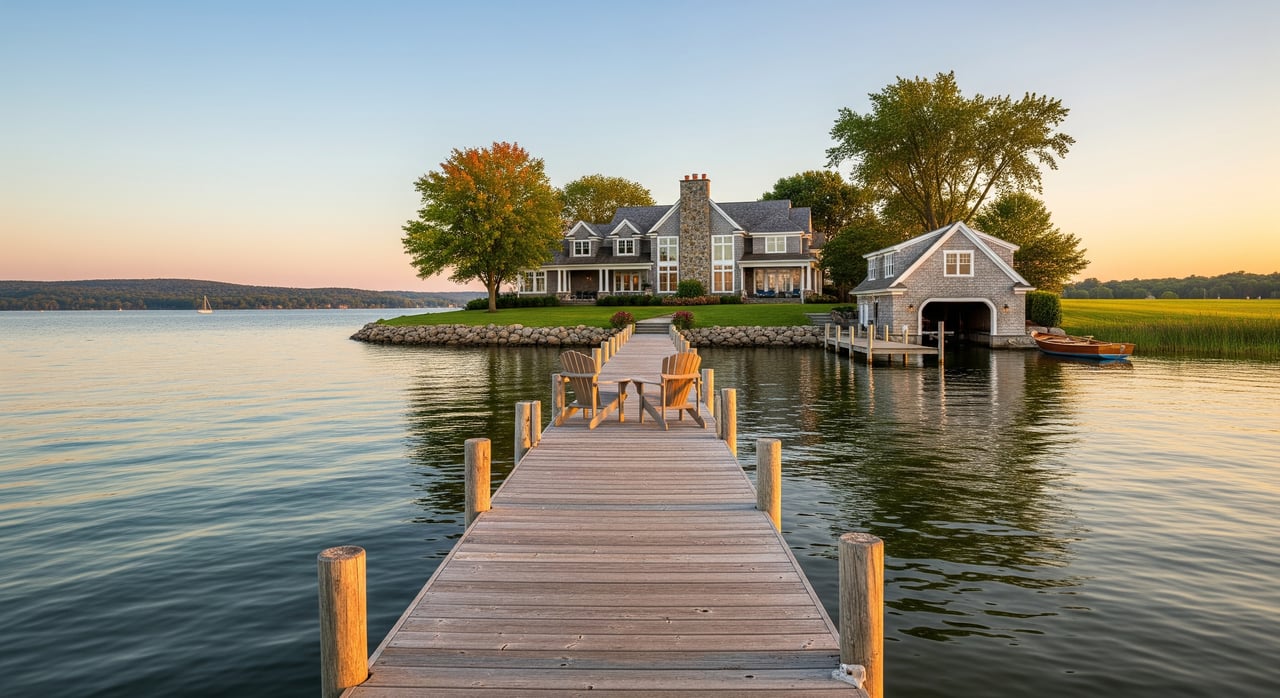
From cozy cottages to year-round homes, lakeside living offers views and recreation near Seneca Lake. Activity picks up in warm months with tourism and boating.
- What you will like:
- Scenic views and outdoor recreation
- Nearby marinas and access points
- Lifestyle appeal that can support long-term value
- What to watch:
- Check floodplain, shoreline setbacks, and insurance needs
- Docks and shoreline features require seasonal maintenance
- Utility type can vary; verify sewer and water
- Best fit if you prioritize lake lifestyle and accept higher maintenance and seasonal costs.
Edge-of-city and rural
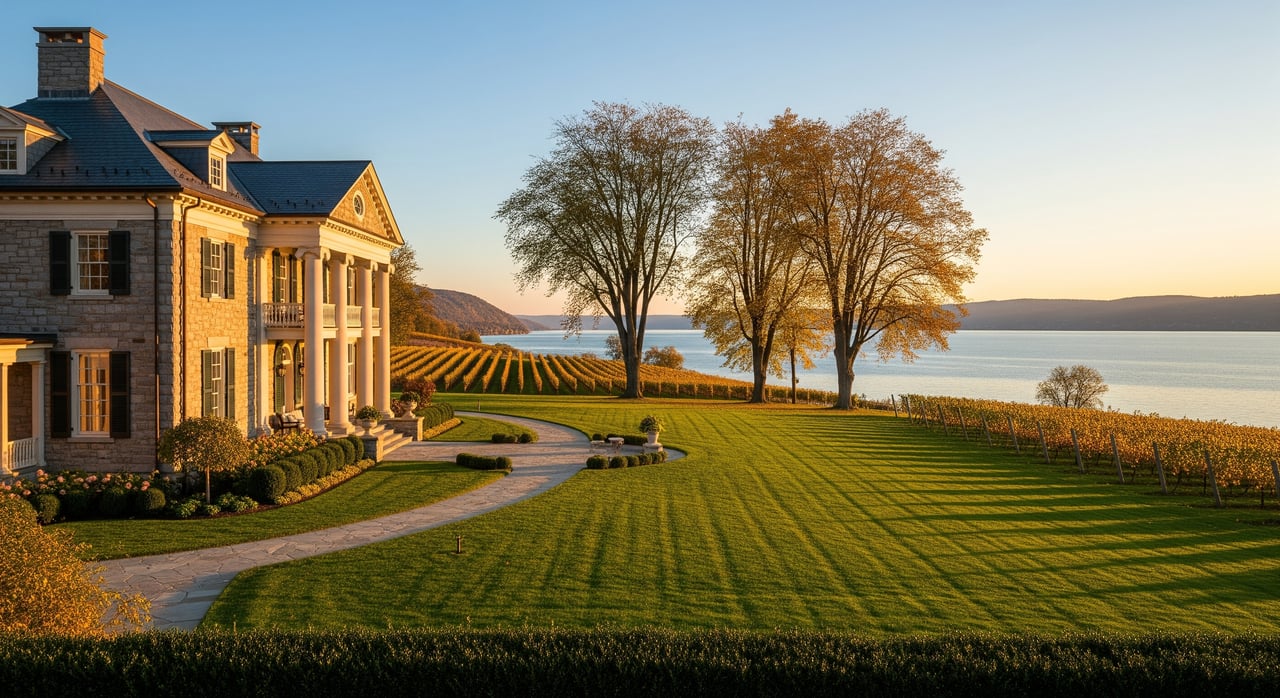
Larger lots and small-acreage properties sit a bit farther out, often with more privacy and outbuildings.
- What you will like:
- Space for gardens, hobbies, and storage
- Quieter surroundings and fewer close neighbors
- Potential eligibility for certain rural lending programs
- What to watch:
- Many homes use well and septic systems
- Longer commutes and private snow management for drives
- Plan for ongoing maintenance of land and outbuildings
- Best fit if you want space and privacy over proximity to downtown.
Daily life and commuting
Geneva anchors the northern end of Seneca Lake, with local jobs in healthcare, colleges, light industry, and tourism. You can also commute by car to regional centers like Rochester, Syracuse, Ithaca, and Canandaigua. During peak tourism seasons, expect more activity downtown and near the water. If you work set hours or rely on quick weekday errands, test drive your route at the times you will actually travel.
Utilities, systems, and key inspections
Your first home’s comfort and operating costs depend on what is behind the walls and under the ground.
- Sewer and water:
- Confirm if the home uses municipal connections or a private well and septic.
- For septic systems, request pumping and inspection records.
- Heating and fuel type:
- Upstate homes often use oil, propane, natural gas where available, or electric heat.
- System age and efficiency will affect your monthly bills.
- Recommended inspections:
- General home inspection
- Roof and chimney review
- Heating system and electrical service
- Lead paint testing for pre-1978 homes
- Radon test
- Mold and pest evaluations as needed
- For rural or lake properties: septic inspection, well water testing, and shoreline stability review if you plan changes near the water
Financing paths for first-time buyers
Most first-time buyers use one of these routes. Your eligibility and terms depend on your income, credit, and the property type.
- Conventional mortgages with varying down payments; mortgage insurance applies with less than 20 percent down
- FHA loans, which allow lower down payments for qualified buyers
- USDA Rural Development loans for certain eligible rural areas
- VA loans for eligible veterans
- New York State programs that may offer down payment assistance or favorable terms through state housing agencies
Get pre-approved early so you know your target price range and monthly payment. If you are considering rural or lake-adjacent properties, share those details with your lender since utility types and location can affect program eligibility.
Taxes, insurance, and ongoing costs
Monthly affordability is about more than your mortgage payment. Build a full picture before you make an offer.
- City versus town taxes:
- Property tax rates differ between the City of Geneva and surrounding towns, partly due to school and municipal components.
- Review the property’s current tax bill and assessment history.
- Insurance:
- Waterfront or low-lying properties may require flood insurance and can have higher wind or hail premiums.
- Associations and special fees:
- Some lake communities may have HOA or lake association fees, and certain areas could have special district assessments.
- Utilities and energy:
- Older homes and certain heating fuels can drive higher energy costs. Ask for utility history when possible.
Seasonal and regulatory factors
Regulations and seasonal patterns shape both daily life and long-term costs in Geneva.
- Floodplain and shoreline rules:
- Lakeshore parcels may face shoreline setbacks, stabilization standards, and seasonal dock considerations.
- Short-term rentals and student rentals:
- Municipal ordinances can set occupancy limits, licensing requirements, and safety standards. This matters if you plan to rent or buy near the colleges.
- Winter access:
- In rural areas and on side roads, confirm who handles snow removal for the road and your driveway.
Smart next steps checklist
Use this quick list to compare homes and avoid surprises.
- Verify municipal sewer and water or confirm well and septic details.
- Order a full home inspection plus targeted tests: septic, well water, radon, and lead paint for older homes.
- If near the lake, review floodplain maps and shoreline rules.
- Request tax assessment history and confirm school district and tax rates.
- Ask about snow removal, private road maintenance, and any HOA or lake association fees.
- Confirm any rental rules if you plan to rent now or later.
- Get pre-approved for a mortgage and check eligibility for first-time buyer assistance programs.
How JRB Home Team helps
Buying your first home is a big step. You deserve clear guidance from an agent who knows Geneva’s in-town streets, lake-adjacent pockets, and rural acreage. JRB Home Team combines neighborhood-level insight across the Finger Lakes with the reach and resources of Howard Hanna. We help you compare areas side by side, structure offers that fit your budget, and coordinate the steps from inspection to close. After you move in, we continue to support you with trusted vendor referrals.
If you are ready to find the right Geneva neighborhood for your first home, connect with James "Bobby" Blaine and the JRB Home Team. We will listen to your goals, lay out your options, and help you move forward with confidence.
James "Bobby" Blaine
FAQs
How do taxes differ across Geneva and nearby towns?
- Property taxes vary between the City of Geneva and surrounding towns because municipal and school components differ. Review the specific property’s tax bill and county records before you decide.
Are lakefront homes more expensive to own in Geneva?
- Often yes. Waterfront properties can carry higher insurance needs, shoreline and dock maintenance, and seasonal repair costs. Budget for these alongside your mortgage.
How walkable is downtown Geneva for daily errands?
- The downtown core and areas near the colleges offer the best walkability to shops, dining, and services. Most other neighborhoods require a car for most errands.
Do the colleges near Geneva affect neighborhood living?
- Colleges add rental demand and create seasonal activity during events and move-in periods. That can benefit investment-minded buyers but may also mean more noise or parking pressure nearby. Check local rental rules.
What inspections are especially important for older homes here?
- Start with a general inspection, then add electrical and heating system checks, roof and chimney review, radon testing, and lead paint testing for pre-1978 homes. Include septic and well tests if the property is not on municipal utilities.
What should I verify before making an offer near Seneca Lake?
- Confirm floodplain status, shoreline setbacks, dock rules, and insurance needs. Verify utility type, seasonal access, and any HOA or lake association fees so you understand total costs.