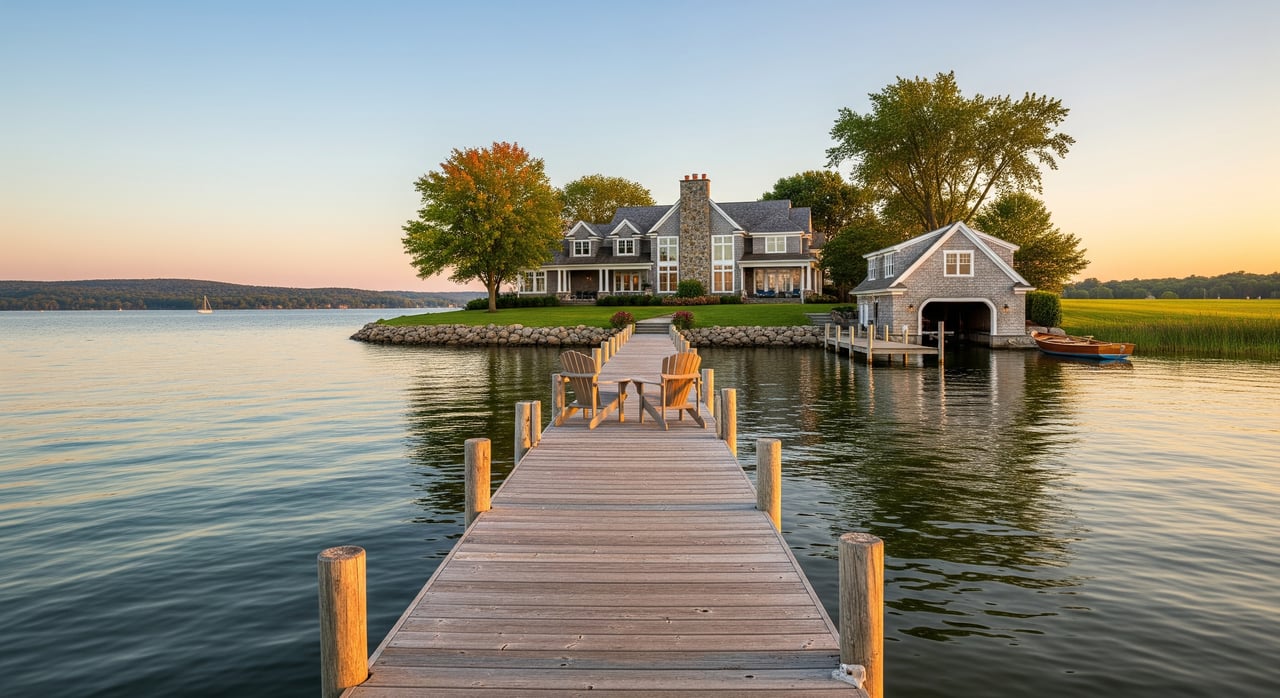
Buyer’s Guide To Conesus Lake Neighborhoods
December 18, 2025
December 18, 2025
Are you picturing summers on the water and cozy winters by the fire at Conesus Lake, but unsure which shoreline area fits you best? You are not alone. Lake buyers often balance privacy, dock rights, road access, and year-round usability. This guide breaks down the neighborhood patterns around Conesus Lake, the lifestyle tradeoffs, and the practical checks that matter before you buy. Let’s dive in.
Conesus Lake sits in Livingston County in New York’s Finger Lakes. The shoreline is largely private, with most homes clustered right along the water and more rural properties set back on larger inland lots. Day-to-day services are limited on the lake itself, so you will likely rely on nearby towns such as Geneseo, Conesus, and Livonia.
You can enjoy four seasons of recreation. In warm months, powerboating, sailing, paddling, fishing, and swimming are common. In winter, residents may ice fish or use nearby trails when conditions are safe. Local associations and volunteer groups take an active role in water quality and boating safety.
Water quality is monitored for nutrient loading, invasive species, and harmful algal blooms. You should expect seasonal advisories from state and local agencies and occasional limits on water use when conditions warrant. Shoreline work, like docks and erosion control, usually requires permits.
You will find distinct patterns around the lake. Understanding these will help you shortlist quickly.
These are single-family homes or cottages on narrow, deep lots right on the water. They usually have private docks and wide views. You pay a premium for frontage and direct access. Density varies by stretch of shoreline, which affects privacy and day-to-day noise from boat traffic.
These are one or two tiers back from the shoreline. Some have deeded paths, shared driveways, or access easements that lead to the lake. Views and dock rights vary widely based on deed language and association rules.
These clusters can include seasonal cottages or year-round homes along private roads. Owners share access points, small beaches, or dock space. Expect written maintenance agreements and periodic fees for road upkeep or shared amenities.
Larger lots provide space and privacy. Some properties include deeded lake access or association rights, while others rely on public launches. You will trade direct frontage for acreage and lower upfront cost.
Public boat launches and fishing access are available around the lake through county or state-managed sites. Hours, fees, and seasonal rules can change, so confirm details with county and state offices if you expect to rely on public facilities.
Not every shoreline feels the same. A few factors often shape your day-to-day experience.
Many buyers ask about slip availability, fuel, service, and winter storage. Marinas may offer seasonal slips, pump-outs, service, and winterization. Private docks are often tied to property rights but can be limited by local rules or covenants. Waiting lists and seasonal restrictions are common. If you plan to rent a slip, confirm availability, fees, and rules before closing.
Shoreline trails are limited. Many owners walk or cycle along nearby rural roads or visit local parks for day use. Fishing is a major draw. Species, seasons, and regulations can change, so check current guidance with state fishery authorities before planning your gear and schedule.
Riparian rights often include certain water uses, like docking or mooring, but details depend on local ordinances, deed language, and association covenants. Always verify recorded rights and ask for any shared-dock agreements in writing.
Docks, seawalls, and erosion control work usually require state and local permits. In some cases, federal review applies for work that affects navigable waters. Ask sellers for the permit history, including recent shoreline stabilization, and keep records for your files.
Many lake and near-lake homes use private wells and on-site wastewater systems. Make septic and well due diligence a priority.
Waterfront locations often carry some flood risk. Review FEMA flood maps and local floodplain zoning to understand building restrictions and potential insurance requirements. Your insurance needs may extend beyond a standard homeowner policy to include flood coverage and watercraft or liability protections.
Access matters in winter. Many shoreline roads are private or maintained through associations. Confirm plowing, paving schedules, and cost-sharing so you know who keeps the road open and how much it costs each season.
Title work for shoreline homes often reveals easements, deed restrictions, or covenants that shape how you can use docks or common areas. If a homeowners or road association exists, review fee schedules, special assessments, rental policies, and rules on boats and dock use. Short-term rental rules are set at the town level, and some areas have restrictions or registration requirements.
On Conesus Lake, water frontage and dock rights drive value more than house size alone. Expect a wide range of properties, from older seasonal cottages that need modernization to renovated or custom homes. If you are considering rental income, confirm local rules and any association limits before underwriting a purchase.
Owning a lake home comes with ongoing costs. Plan ahead.
Use this list to streamline your offer and diligence timeline.
Waterfront purchases involve extra moving parts. You deserve a guide who knows the patterns around Conesus Lake and how to navigate permits, private roads, and seasonal realities. Our team can help you prioritize lots with the rights you need, coordinate inspections that focus on wells, septic, and docks, and connect you with trusted local resources. If you want to explore off-market options or compare near-shore and inland value plays, we can map those tradeoffs with you.
Ready to find your fit around Conesus Lake? Reach out to James "Bobby" Blaine for a conversation that starts with your goals and ends with a confident plan.
Stay up to date on the latest real estate trends.

Get assistance in determining current property value, crafting a competitive offer, writing and negotiating a contract, and much more. Contact me today.